Text by Polina Zograf
Zurich Fashion Week Review: Inside the Runway and Behind the Scenes from Zurich Fashion Week unfolded with a quiet sense of certainty.
There was no urgency to prove scale or spectacle and that restraint became one of the week’s defining strengths. The structure of the week allowed each collection to speak for itself. Experiencing the week from within, conducting interviews, documenting moments for social media and moving between backstage spaces, highlighted how carefully everything was organized.

What appeared seamless on the runway was a result of steady coordination backstage. The opening night began with Modeco, whose couture presentation emphasized discipline and construction. Craftsmanship was central, not decorative. Silhouettes were deliberate, structured and controlled, setting a tone of precision that would echo throughout the week. Observing final adjustments backstage reinforced how exacting that precision truly was. As the schedule progressed, designers approached authorship in varied yet equally resolved ways.

New Orchard explored proportion with subtle confidence, allowing shape to carry the narrative. Atelier J. Santana focused on refinement, where tailoring and detail felt intentional rather than ornamental. Coco Creation worked through texture and layering, building depth without excess. Selva Huygens maintained coherence across looks, presenting a collection grounded in consistency. Ombre introduced contrast and atmosphere, balancing light and shadow through fabric and form. Through interviews and conversations with designers and teams, a consistent emphasis on identity over trend became increasingly clear.

When asked what felt most stressful about presenting during fashion week, many designers pointed out the same things: last-minute adjustments, the pressure of final fittings, technical refinements and timing often condensed into the final hours before a show. At the same time, that stress was consistently balanced by excitement, the anticipation of revealing months of work or a live audience. Backstage, the Zurich Fashion Week team moved with steady efficiency, supporting designers through those final moments and ensuring that each presentation ran smoothly despite that tension.

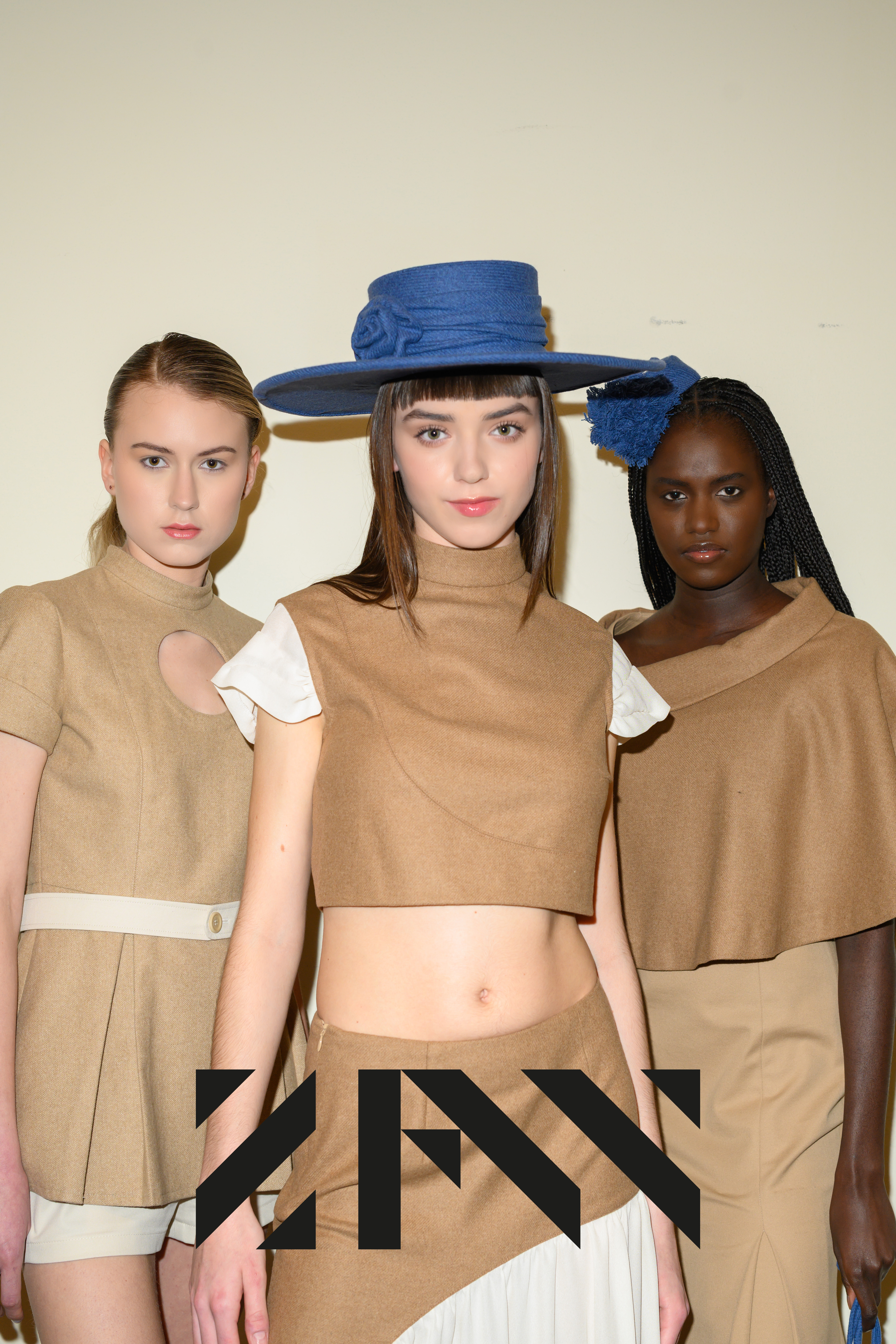
Midweek brought a sharper energy. Madame Badass leaned into assertive construction, embracing visibility without losing structure. Nova Noche navigated sensuality through movement, allowing garments to respond dynamically to the body. Tamara Von Arx favoured clean lines and controlled silhouettes, while Zano reinforced strength through architectural tailoring. Modeco’s return strengthened the sense of continuity, reminding the audience that repetition, when deliberate, reinforces identity rather than redundancy.

The fourth day shifted toward conceptual exploration. Guju Gumpold presented garments that felt protective yet exposed, suggesting tension between structure and vulnerability. The Last Human approached fragility more directly, using proportion and layered elements to question permanence. Fragile Base deconstructed traditional forms and rebuilt them with intention, while Spacecrib examined spatial relationships between body and garment. Amato embraced theatrical presence but maintained coherence in execution. Judassime closed the evening with a dark, sculptural intensity, transforming the runway into a space of reconstruction and radical vulnerability.

The final day carried assurance. Terje Vincentz demonstrated restraint through measured silhouettes. Darkos introduced sharper contrasts and tension. Maya Seyferth balanced precision with emotional nuance, structured forms softened by subtle detailing. Walking her show placed me briefly at the center of the process I had been observing all week. Being on the runway for the first time reframed everything I had seen backstage, turning preparation into something immediate and personal. This experience made the closing shows feel less like isolated presentations and more like part of a carefully constructed whole.

Photo © Diego da Silva
Dobrzanska concluded the week with clarity, offering a sense of resolution rather than spectacle. Speaking with both designers and guests revealed two sides of the same event. Backstage conversations ventured on preparation, timing and execution. Audience reflections focused on atmosphere, impact and interpretation. The contrast between production and perception made the structure of the week even more compelling. Across five days, a clear direction emerged. Each collection felt intentional and distinct. By the final show, the cohesion of the week felt strong.


